Baked Dolphin Fish (Mahi Mahi) with Lemon Herb – Amongst Top 100 Irresistible Wheatless & Gluten Free Recipes

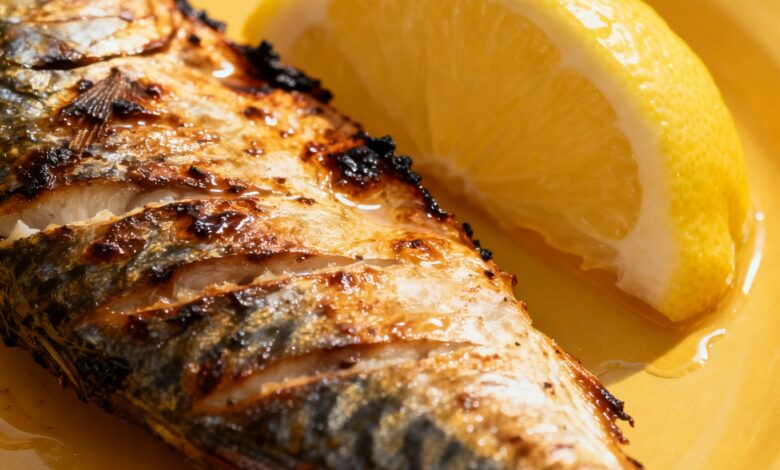
Gluten-Free Baked Dolphin Fish: Oceanic Opulence Unveiled
Mahi mahi — also called dolphin fish — is a firm, mild white fish that bakes well at high heat. A quick coating of garlic butter with lemon and fresh herbs is all it needs. The whole recipe comes together in about 25 minutes and is naturally gluten-free with no substitutions required.
A note on the name: mahi mahi is commonly sold under both names. It is a fish, not the marine mammal — “dolphin fish” is simply a traditional name for the species.
Ingredients
- 4 mahi mahi fillets, approximately 6 oz each
- 2 tablespoons unsalted butter, melted
- 2 tablespoons olive oil
- 3 garlic cloves, finely minced
- 1 tablespoon fresh lemon juice
- 1 teaspoon lemon zest
- 1 teaspoon dried thyme (or 1 tablespoon fresh)
- 1 tablespoon fresh parsley, chopped
- Salt and black pepper to taste
- Lemon slices for garnish (optional)
Instructions
Step 1 — Preheat Preheat oven to 425°F (220°C). Lightly grease a baking dish.
Step 2 — Dry the fillets Pat the fillets dry on both sides with paper towels. This step matters — moisture on the surface of the fish causes it to steam rather than roast, and you lose the lightly golden edges that come from dry-heat cooking.
Step 3 — Make the coating In a small bowl, combine melted butter, olive oil, minced garlic, lemon juice, lemon zest, thyme, salt, and pepper. Stir to combine.
Step 4 — Coat the fish Place the fillets in the baking dish and spoon or brush the butter mixture over the top and sides of each fillet. Add lemon slices on top if using.
Step 5 — Bake Bake for 10–15 minutes depending on the thickness of the fillets. The fish is done when it’s opaque throughout and flakes easily when pressed with a fork. The internal temperature should reach 145°F. Thicker fillets (over 1 inch) may need up to 18–20 minutes.
Step 6 — Rest and serve Let the fillets rest in the dish for 2–3 minutes before serving. Scatter fresh parsley over the top just before plating.
Tips
- Patting the fish dry is the most important prep step — don’t skip it
- High heat (425°F) works better for mahi mahi than lower temperatures — it sets the exterior quickly while keeping the inside moist
- Check for doneness by thickness, not just time — a thin fillet can be done in 10 minutes while a thick one needs closer to 18
- If the top is browning too fast before the fish is cooked through, tent loosely with foil for the last few minutes
- For extra color, switch the oven to broil for the final 1–2 minutes
- Fresh mahi mahi should smell clean and oceanic, not strongly fishy — if frozen, thaw completely in the fridge overnight and add 3–5 minutes to the baking time
Variations
- Dairy-free: Replace the butter with an equal amount of additional olive oil
- Mediterranean: Add crumbled feta, sliced olives, and dried oregano to the coating
- Asian-inspired: Replace the herb coating with a mixture of gluten-free soy sauce, sesame oil, grated ginger, and a little honey
- Spicy: Add ¼ teaspoon cayenne or a pinch of chili flakes to the butter mixture
- Pesto: Spread a thin layer of basil pesto over each fillet before baking instead of the butter coating
- Almond-crusted: Press finely ground almonds onto the coated fillets before baking for a light crust
Serving Suggestions
- With steamed or roasted asparagus or zucchini
- Over quinoa or wild rice
- Alongside a simple green salad with lemon vinaigrette
- With roasted or mashed potatoes
Storage
- Refrigerator: up to 2–3 days in an airtight container
- Reheat gently at 350°F for about 8 minutes with a small splash of broth or water to prevent drying out — microwaving fish tends to make it rubbery
- Freezer: wrap cooked fillets in parchment and freeze for up to 2 months; thaw overnight in the fridge
Nutritional Information (per serving, approximate — serves 4)
| Nutrient | Amount |
|---|---|
| Calories | ~200 kcal |
| Protein | ~28 g |
| Fat | ~9 g |
| Carbohydrates | ~1 g |
| Omega-3 fatty acids | ~0.5 g |
✓ Gluten-Free ✓ Wheat-Free ✓ Dairy-Free Option Available ✓ Low-Carb
Recipe Details
- Cuisine: American / Mediterranean-inspired
- Course: Main Dish
- Skill Level: Beginner
Frequently Asked Questions
Why is my fish dry? Overbaking is the most common cause. Mahi mahi cooks quickly at high heat — check it at the 10-minute mark and use a fork or thermometer rather than relying on time alone. Once it flakes easily and reaches 145°F, it’s done.
How do I reduce a strong fishy smell? Fresh, high-quality mahi mahi should have a mild, clean smell. If using thawed frozen fish, a brief soak in cold milk for 15–20 minutes before cooking can reduce any stronger odors. Rinse and pat dry afterward.
Can I cook this from frozen? It’s better to thaw first for even cooking. Thaw overnight in the refrigerator and pat dry thoroughly before baking. Cooking from frozen is possible but tends to produce uneven results — the outside overcooks before the center is done.
Can I grill this instead? Yes. Grill over medium-high heat for about 4–5 minutes per side, brushing with the same butter mixture. Mahi mahi is firm enough to hold up well on the grill.
Is mahi mahi a sustainable choice? Mahi mahi is generally considered a good sustainable seafood option, particularly when sourced from the US Atlantic or Pacific. Look for Marine Stewardship Council (MSC) certification or check the Monterey Bay Aquarium Seafood Watch list for current sourcing guidance.