Fluffy Gluten-Free Pancakes Recipe : Amongst Top 5 Irresistible Wheatless & Gluten Free Recipes

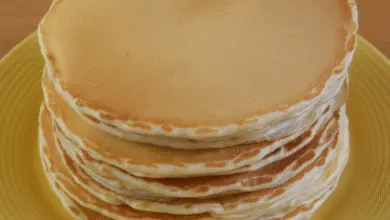
This gluten-free pancakes recipe is the one that ends the search. Fluffy, golden, and ready in 20 minutes, these wheat-free pancakes use a single bowl, eight clean ingredients, and two techniques that make all the difference: not overmixing the batter, and letting it rest for five minutes before the pan goes on. The result is a stack of properly fluffy pancakes that no one at the table will identify as gluten-free unless you tell them. No gummy centre. No flat, dense disc. Just the best gluten-free pancake recipe you will make this weekend.
Wheat-FreeGluten-FreeVegetarianDairy-Free OptionVegan Option20 Minutes8–10 Pancakes
What Makes This the Gluten-Free Pancake Recipe Worth Making Every Weekend
Most gluten-free pancake recipes fail in the same two ways: they produce pancakes that are either flat and dense, or gummy in the centre and oddly chewy at the edges. Both failures have the same root cause: the recipe was written for wheat flour and adapted by swapping in a gluten-free flour blend without adjusting the technique. This recipe was designed around gluten-free flour from the first ingredient, which means the two techniques that define the result, a rested batter and a medium-low pan, are built in from the start rather than bolted on as afterthoughts.
The flour choice matters here more than in almost any other gluten-free recipe. A commercial gluten-free all-purpose flour blend that contains xanthan gum is the only flour that replicates the structure of a conventional pancake in a single swap. Single-grain flours such as plain rice flour or oat flour alone lack the binding that gluten normally provides, and they produce a brittle, dense result without significant recipe adjustment. With the right blend and the right technique, this gluten-free pancakes recipe produces a stack that is completely wheat-free, genuinely fluffy, and genuinely good.
|
8–10 Pancakes |
20 Total Minutes |
100% Wheat-Free |
1 Bowl |
0g Wheat Flour |
The Ingredients That Make This Recipe Work
Gluten-Free All-Purpose Flour Blend: The Only Flour That Works Here
For this gluten-free pancakes recipe, the flour blend is the single most important ingredient on the list. Use a blend labelled “1-to-1” or “measure for measure,” such as Bob’s Red Mill 1-to-1 Baking Flour or King Arthur Measure for Measure. These are formulated to behave like conventional all-purpose flour in baked goods, which means they contain xanthan gum, the binding agent that replaces the structural role of gluten. Without xanthan gum, the batter will not hold together properly during cooking and the pancakes will fall apart when flipped. Plain rice flour, oat flour, or any single-grain gluten-free flour alone will not produce the same result without significant additional recipe adjustment. The label matters: always check it contains xanthan gum before buying.
Label Check Gluten-free flour blends are inherently wheat-free, but always check the packaging for a certified gluten-free symbol if you are cooking for someone with celiac disease. Some blends are produced in facilities that also process wheat, which creates cross-contamination risk. Bob’s Red Mill 1-to-1 and King Arthur Measure for Measure are both certified and consistently safe. Also verify your baking powder: most plain baking powder is gluten-free, but some brands add cornstarch that may be processed on shared equipment. |
Baking Powder: The Rise That Makes Them Fluffy
A full tablespoon of baking powder for one cup of flour is more than most standard pancake recipes call for, and it is intentional. Gluten-free flours are denser and heavier than wheat flour, which means they need more leavening lift to produce the same airy, fluffy result. Stale baking powder is the single most common cause of flat gluten-free pancakes: test yours by dropping a small amount into warm water. It should fizz vigorously and immediately. Weak or slow fizzing means it needs replacing before you start. Fresh baking powder is the single easiest fix for a flat gluten-free pancakes recipe.
Eggs and Milk: Structure and Moisture
Two room-temperature eggs provide the binding and lift that make these gluten-free pancakes hold their shape through flipping and stacking. Cold eggs do not blend as smoothly with the other wet ingredients and can produce an uneven, slightly lumpy batter. Take the eggs out of the refrigerator ten minutes before you start. The milk, whether dairy or any plant-based alternative, provides the hydration the flour blend needs to fully absorb and produce the right batter consistency. Oat milk and almond milk both work well here without affecting the texture or flavour.
The Two Techniques That Matter Two steps separate a good gluten-free pancakes recipe from a great one. First, do not overmix the batter. Stir only until the flour disappears. Lumps are fine. Overmixing develops the starches in the flour blend and produces tough, dense pancakes. Second, rest the batter for 5 minutes before cooking. This allows the flour to fully hydrate, the baking powder to begin activating, and the xanthan gum to do its binding work. Both steps cost nothing except a small amount of restraint. |
| “A good gluten-free pancakes recipe does not ask you to accept a different result. It asks you to use the right flour and resist the urge to keep stirring. That is the entire technique. The pancakes do the rest.” |
Full Recipe Fluffy Wheat-Free Gluten-Free PancakesA reliable gluten-free pancakes recipe using a certified wheat-free flour blend. Fluffy, golden, ready in 20 minutes. Do not overmix. Rest the batter. That is the whole technique. | |||||||||||||||||||||||||||||||||||||||||||||||||||
| |||||||||||||||||||||||||||||||||||||||||||||||||||
Wheat-FreeGluten-FreeVegetarianNo Wheat FlourDairy-Free OptionVegan Option ✓ | |||||||||||||||||||||||||||||||||||||||||||||||||||
Ingredients The Dry Mix
The Wet Mix
Optional Mix-Ins
Equipment
| Instructions
Nutrition Per 2 Pancakes (approx., makes 8–10)
| ||||||||||||||||||||||||||||||||||||||||||||||||||
Storage and Make-Ahead Guide
These gluten-free pancakes store and reheat better than most wheat-based versions, because the gluten-free flour blend does not continue developing structure after baking the way wheat flour does. Cooled pancakes placed in an airtight container in the refrigerator keep for up to three days without any noticeable loss of texture.
For longer storage, freeze with a square of parchment paper between each pancake to prevent sticking, then seal in a freezer bag for up to one month. Reheat in a toaster for 1 to 2 minutes for the crispest result, or in an oven at 150°C for 5 minutes to warm through gently. A 30-second microwave works for speed but softens the edges slightly. Even reheated, these gluten-free pancakes hold their texture better than most recipes of this type.
Weekend Batch Tip Double the batter on a Sunday and freeze half the batch in a single layer on a baking sheet before transferring to a freezer bag. Weekday mornings become two minutes in the toaster rather than twenty at the hob. The batter itself keeps in the refrigerator for up to 24 hours, unstirred, if you prefer to cook fresh each morning. |
Recipe Variations
|
|
|
|
Frequently Asked Questions
Why are my gluten-free pancakes flat? Stale baking powder is the most common cause. Test it by dropping a small amount into warm water. It should bubble vigorously and immediately. Weak or slow fizzing means it needs replacing before you use it. The second most common cause is skipping the 5-minute batter rest, which is where the leavening activates and the flour fully hydrates. Also check that your skillet is properly preheated before the first batch goes in: a cold pan means the first pancakes spread thin before the leavening has a chance to set. |
Why are my gluten-free pancakes gummy inside? Either the batter was overmixed or the heat was too high. Overmixing breaks down the batter structure before it has a chance to set. High heat causes the outside to brown and set while the inside is still raw. The fix is medium-low heat throughout, and stirring the batter only until the flour disappears. For this gluten-free pancakes recipe, ten to twelve gentle stirs is the upper limit. |
What is the best gluten-free flour blend for this pancakes recipe? Blends labelled “1-to-1” or “measure for measure” are formulated to behave like all-purpose flour in baked goods and produce the best result in this recipe. Bob’s Red Mill 1-to-1 Baking Flour and King Arthur Measure for Measure are the two most reliable and widely available options. Both are certified gluten-free and both contain xanthan gum, which is essential. Do not use single-grain flours such as rice flour, oat flour, or almond flour alone in this recipe without significant reformulation. |
Can I use oat flour instead of a blend? You can, but the result will be noticeably different: denser, more substantial, and with a faint oat flavour that some people prefer and others do not. If using oat flour, add an extra ½ teaspoon of baking powder and expect a slightly thicker batter that spreads less on the pan. Use certified gluten-free oat flour if cooking for anyone with celiac disease, as standard oat flour carries cross-contamination risk. |
When should I add blueberries or chocolate chips? Always add them onto the surface of each pancake immediately after pouring the batter, never mix them into the batter beforehand. Mixing blueberries into the batter turns the whole batch blue and allows them to bleed and sink before the pancake sets. Pressing them onto the surface after pouring distributes them evenly, keeps them intact, and makes for a much better-looking finished pancake. |
The Verdict
This gluten-free pancakes recipe does not ask for specialist equipment, unusual ingredients, or an advanced technique. It asks for the right flour blend, a rested batter, and a medium-low pan. That is the entire gap between a flat, gummy gluten-free pancake and a fluffy, golden one that earns a place in the permanent weekend rotation.
Eight to ten pancakes. Twenty minutes. Zero wheat. Make this gluten-free pancakes recipe once on a Saturday and it will become the only version you need.
| If you made this gluten-free pancakes recipe, pin it to your wheat-free breakfast board and share with your followers. Every save helps another home cook discover that wheat-free mornings do not ask you to give up the good stuff. |