Golden Millet Coconut Cloud Cake: 7 Irresistible Secrets to prepare Golden Millet Gluten Free Cakes

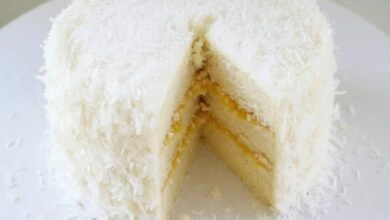
Golden Millet Coconut Cloud Cake (Gluten-Free, Wheatless): A Heavenly, Light Delight
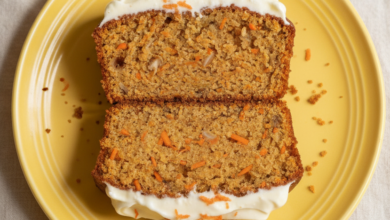
This cake uses a blend of millet flour, coconut flour, and almond flour. Each flour contributes something different: millet provides structure and a mild nuttiness, coconut flour absorbs moisture and adds fiber, and almond flour adds richness and tenderness. The result is a moist, lightly spiced cake with a fine crumb — different from a wheat-flour cake but genuinely good, not a compromise.
The batter needs a 5-minute rest before baking. Coconut flour is highly absorbent and needs time to fully hydrate — skipping this step produces a drier, denser cake.
Ingredients
Cake
- 1 cup (120g) millet flour
- ½ cup (56g) coconut flour
- ½ cup (50g) almond flour
- ¾ cup (135g) coconut sugar
- 2 teaspoons gluten-free baking powder
- ½ teaspoon baking soda
- ½ teaspoon fine sea salt
- 1 teaspoon ground cinnamon
- 4 large eggs, at room temperature
- ¾ cup (180ml) full-fat coconut milk, well stirred
- ⅓ cup (70g) melted coconut oil, slightly cooled
- 2 tablespoons pure maple syrup
- 1½ teaspoons vanilla extract
- 1 teaspoon apple cider vinegar
Cinnamon-Maple Frosting
- ½ cup (113g) unsalted butter or plant-based butter, at room temperature
- 1½–2 cups (180–240g) powdered sugar, sifted
- 2 tablespoons pure maple syrup
- 1 teaspoon ground cinnamon
- Pinch of salt
- 1–2 tablespoons coconut milk, as needed for consistency
Equipment
- 8-inch round or square cake pan
- Two mixing bowls
- Whisk and rubber spatula
- Hand or stand mixer for the frosting
- Wire rack
Instructions
Step 1 — Preheat and prep Preheat oven to 350°F (175°C). Line the cake pan with parchment paper, leaving an overhang on two sides, and grease the sides lightly.
Step 2 — Mix dry ingredients In a large bowl, whisk together millet flour, coconut flour, almond flour, coconut sugar, baking powder, baking soda, salt, and cinnamon. Break up any lumps in the coconut flour with your fingers — it tends to clump and uneven distribution causes dry pockets in the finished cake.
Step 3 — Mix wet ingredients In a separate bowl, whisk the eggs until slightly frothy. Add coconut milk, coconut oil, maple syrup, vanilla extract, and apple cider vinegar. Whisk until smooth and combined.
Step 4 — Combine Pour the wet ingredients into the dry and fold gently with a spatula until just combined. Stop as soon as no dry flour remains.
Step 5 — Rest the batter Leave the batter to rest for 5 minutes. The coconut flour will continue absorbing the liquid during this time and the batter will thicken slightly — this is expected.
Step 6 — Bake Transfer the batter to the prepared pan and smooth the top. Bake for 28–33 minutes until the top is golden, the edges are just beginning to pull away from the sides, and a toothpick inserted in the center comes out clean. Start checking at 25 minutes — coconut and almond flour can overbake quickly. Cool in the pan for 10 minutes, then lift out using the parchment and transfer to a wire rack to cool completely before frosting.
Step 7 — Make the frosting Beat the butter with a hand or stand mixer on medium speed for 2–3 minutes until pale and fluffy. Add the sifted powdered sugar, cinnamon, salt, and maple syrup and beat until smooth. Add coconut milk 1 tablespoon at a time until the frosting is spreadable. Taste and adjust sweetness or spice if needed.
Step 8 — Frost Spread the frosting over the completely cooled cake. If the cake is even slightly warm the frosting will melt and slide off.
Tips
- Shake or stir the coconut milk can well before measuring — the cream and liquid separate and you need both for the right fat content
- Coconut flour behaves very differently from other flours and is not interchangeable — don’t substitute with more millet or almond flour without adjusting the liquid
- Room temperature eggs incorporate more air than cold eggs, which contributes to a lighter texture
- Use a digital scale if possible — coconut flour is particularly sensitive to quantity; too much makes the cake dry and dense
Variations
- Seeded: Fold in ½ cup of shredded unsweetened coconut to the batter for extra texture and coconut flavor
- Tropical fruit: Fold in ½ cup of finely diced dried mango or pineapple
- Nut-free: Replace almond flour with ⅓ cup millet flour plus 2 tablespoons tapioca starch, and add 1 extra tablespoon of coconut oil for moisture
- Vegan: Replace each egg with a flax egg (1 tablespoon ground flaxseed mixed with 2.5 tablespoons water, rested 5 minutes) and use plant-based butter in the frosting — the cake will be slightly denser but still works
- Cupcakes: Divide batter among 12 lined muffin cups and bake for 20–25 minutes
Storage
- Room temperature: up to 1 day covered — the frosting softens at room temperature
- Refrigerator: up to 4–5 days tightly wrapped — bring to room temperature before serving for the best flavor and texture
- Freezer: wrap individual slices and freeze for up to 2 months — thaw overnight at room temperature
Nutritional Information (per slice, approximate — makes 9–12 slices, unfrosted)
| Nutrient | Amount |
|---|---|
| Calories | ~240 kcal |
| Carbohydrates | ~28 g |
| Fat | ~13 g |
| Protein | ~5 g |
| Fiber | ~3 g |
✓ Gluten-Free ✓ Wheat-Free ✓ Dairy-Free Option Available ✓ Vegan Option Available
Recipe Details
- Cuisine: American
- Course: Dessert
- Skill Level: Intermediate
Frequently Asked Questions
Why does the batter need to rest? Coconut flour is extremely absorbent — it continues drawing in liquid for several minutes after mixing. Resting the batter for 5 minutes allows the coconut flour to fully hydrate, which prevents a dry, crumbly cake. You’ll notice the batter visibly thickens during this time.
Why is my cake dry? The most likely causes are too much coconut flour (always measure by weight if possible), overbaking, or not stirring the coconut milk well before measuring (the cream at the top without the liquid below throws off the fat-to-liquid balance). Also check that the batter rested before baking.
Can I use light coconut milk instead of full-fat? Full-fat coconut milk gives the richest result. Light coconut milk works but produces a slightly less moist cake. Don’t use coconut water or coconut beverage from a carton — the fat content is too low.
Can I make this without almond flour? Yes — use the nut-free substitution in the variations section (extra millet flour plus tapioca starch and coconut oil). The texture will be slightly less rich since almond flour contributes fat, but the cake still works.
How do I know when it’s done? The toothpick test is the most reliable — it should come out clean or with just a few dry crumbs. The edges should be pulling slightly away from the sides of the pan, and the top should feel firm when lightly pressed in the center. Gluten-free cakes can look done on the surface while still being underbaked inside, so the toothpick test matters more here than with wheat-flour cakes.

Golden Millet Coconut Cloud Cake (Gluten‑Free, Wheatless)
Ingredients
Method
- Prep: Heat oven to 350°F/175°C. Line pan with parchment sling; grease sides for clean release and crisp edges.
- Whisk dries: Combine millet flour, coconut flour, almond flour, baking powder, baking soda, salt, and cinnamon; break all coconut‑flour clumps for even hydration.
- Blend wets: Whisk eggs, coconut milk, coconut oil, maple syrup, vanilla, and vinegar until smooth and slightly frothy.
- Combine: Stir dries into wets until just smooth. Rest batter 3–5 minutes; coconut flour absorbs liquid and thickens for a tender crumb.
- Bake: Scrape into pan; level. Bake 28–33 minutes until golden and a tester comes out clean; avoid overbaking to prevent dryness in high‑fiber flours.
- Cool: Rest 10 minutes, then lift out to a rack and cool completely before frosting for a plush, non‑melting finish.
- Frosting: Beat butter until pale and fluffy 2–3 minutes. Add powdered sugar, cinnamon, salt, and maple; beat. Splash in coconut milk to a silky, spreadable cloud.
- Finish: Swirl frosting over cake. Optional drizzle of melted dark chocolate for dramatic contrast and share‑worthy photos.
Notes