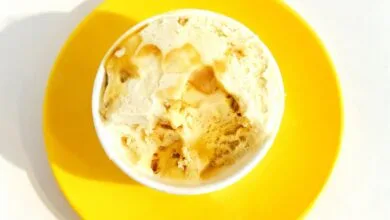
Salty Ice Cream: Sweet-Savory Frozen Fantasia
Salted ice cream is a simple custard-based vanilla ice cream with enough sea salt to make the sweetness pop rather than just adding a background savory note. The salt is intentional and noticeable — this isn’t just vanilla ice cream with a pinch of salt. A flaky sea salt finish on each scoop amplifies the effect further.
The base is a cooked custard using egg yolks, which produces a richer, creamier texture than no-cook ice cream bases and helps prevent large ice crystals from forming. The custard needs at least 4 hours to chill before churning — overnight is better.
Ingredients
- 2 cups heavy cream (36% fat or higher)
- 1 cup whole milk
- ¾ cup granulated sugar, divided
- 4 large egg yolks
- 1 teaspoon pure vanilla extract
- 1 teaspoon fine sea salt, adjusted to taste
- Flaky sea salt for finishing (optional but recommended)
Equipment
- Medium saucepan
- Two mixing bowls
- Whisk
- Ice cream maker
- Spatula
- Freezer-safe container with lid
Instructions
Step 1 — Heat the cream mixture Combine heavy cream, whole milk, and half the sugar (about 6 tablespoons) in a medium saucepan over medium heat. Warm until steaming and just beginning to simmer around the edges — don’t let it boil. Remove from heat.
Step 2 — Whisk the yolks In a bowl, whisk egg yolks with the remaining sugar until the mixture turns pale yellow and falls from the whisk in a thick ribbon. This takes about 2 minutes of active whisking.
Step 3 — Temper the eggs Very slowly pour about half a cup of the hot cream mixture into the egg yolk mixture, whisking constantly as you pour. This raises the temperature of the yolks gradually without scrambling them. Then pour the warmed yolk mixture back into the saucepan with the rest of the cream.
Step 4 — Cook the custard Return the saucepan to medium-low heat. Stir constantly with a spatula, scraping the bottom and sides of the pan, until the custard thickens enough to coat the back of a spoon — about 5–8 minutes. The target temperature is 170°F. Don’t let it boil or the eggs will scramble.
Step 5 — Add vanilla and salt Remove from heat. Stir in vanilla extract and sea salt. Taste — the custard should taste noticeably salty-sweet. Adjust salt if needed, keeping in mind that freezing dulls flavor slightly, so it should taste a touch saltier than you want the final ice cream to be.
Step 6 — Chill Strain the custard through a fine mesh sieve into a clean bowl to remove any bits of cooked egg. Cool to room temperature, then cover and refrigerate for at least 4 hours or overnight. The custard must be very cold before churning.
Step 7 — Churn Churn the chilled custard in your ice cream maker according to the manufacturer’s instructions — typically 20–30 minutes until it reaches a soft-serve consistency.
Step 8 — Freeze Transfer to a freezer-safe container. If using flaky sea salt, fold a pinch through the ice cream or sprinkle it on top before sealing. Cover and freeze for 3–4 hours until firm.
Step 9 — Serve Remove from the freezer 5–10 minutes before scooping to soften slightly. Add a pinch of flaky sea salt to each scoop just before serving.
Tips
- The tempering step is critical — pour the hot cream into the eggs slowly and never stop whisking, or you’ll end up with scrambled eggs in your custard
- Don’t rush the chilling step — warm custard in an ice cream maker produces icy, grainy results
- Taste the custard before chilling and adjust the salt — the flavor will mellow slightly once frozen
- Higher fat content in the cream (36%+) produces a creamier texture with fewer ice crystals
- Straining the custard before chilling catches any accidentally cooked egg bits and produces a smoother base
No-Churn Method
If you don’t have an ice cream maker, pour the chilled custard into a shallow freezer-safe dish and freeze. Every 30 minutes for the first 3 hours, remove from the freezer and stir vigorously with a fork or hand mixer to break up ice crystals. After 3 hours, leave to freeze solid. The texture won’t be as smooth as churned ice cream but is still very good.
Variations
- Salted caramel: Stir 3–4 tablespoons of homemade or store-bought caramel sauce through the ice cream just before the final freeze
- Brown butter: Brown the butter in the saucepan first, then add the cream and milk — the nutty flavor pairs well with the salt
- Vegan: Replace heavy cream and milk with full-fat coconut cream and coconut milk; replace egg yolks with 2 tablespoons of cornstarch mixed into the milk before heating
- Boozy: Stir 2 tablespoons of bourbon or rum into the custard after chilling — alcohol lowers the freezing point slightly and keeps the texture softer
- Matcha: Whisk 1 tablespoon of matcha powder into the warm cream mixture before tempering
Storage
- Freezer: up to 2 weeks in an airtight container — press a piece of plastic wrap directly onto the surface of the ice cream before sealing to prevent ice crystals from forming
- To soften for scooping: leave at room temperature for 5–10 minutes, or microwave in 5-second bursts
Nutritional Information (per scoop, approximate — makes 6 to 8 servings)
| Nutrient | Amount |
|---|---|
| Calories | ~280 kcal |
| Carbohydrates | ~22 g |
| Sugar | ~20 g |
| Fat | ~20 g |
| Protein | ~4 g |
| Sodium | ~320 mg |
✓ Gluten-Free ✓ Wheat-Free ✓ Vegetarian ✓ Vegan Option Available
Recipe Details
- Cuisine: American
- Course: Dessert
- Skill Level: Intermediate
Frequently Asked Questions
Why is my ice cream icy and grainy? The two most common causes are insufficient fat in the cream or churning a custard that wasn’t cold enough. Use heavy cream with at least 36% fat and make sure the custard is thoroughly chilled — ideally overnight — before churning.
Why does my ice cream taste eggy? This usually means the custard was overcooked or the eggs weren’t properly tempered. Keep the heat low when cooking the custard and never let it boil. The egg flavor should be barely detectable in the finished ice cream.
How salty should it be? The ice cream should have a clear, pleasant saltiness that enhances the sweetness rather than competing with it. Start with 1 teaspoon of fine sea salt and adjust from there — the flavor mellows slightly once frozen, so the custard should taste slightly saltier than your target finished product.
Can I make this without an ice cream maker? Yes — see the no-churn method above. The texture won’t be as smooth but is quite good, especially if you’re diligent about stirring every 30 minutes during the initial freeze.
Why do I need to strain the custard? Straining catches any bits of egg that cooked slightly faster than the rest during the tempering or cooking stage. It takes 30 seconds and makes the difference between a perfectly smooth base and one with tiny lumps.
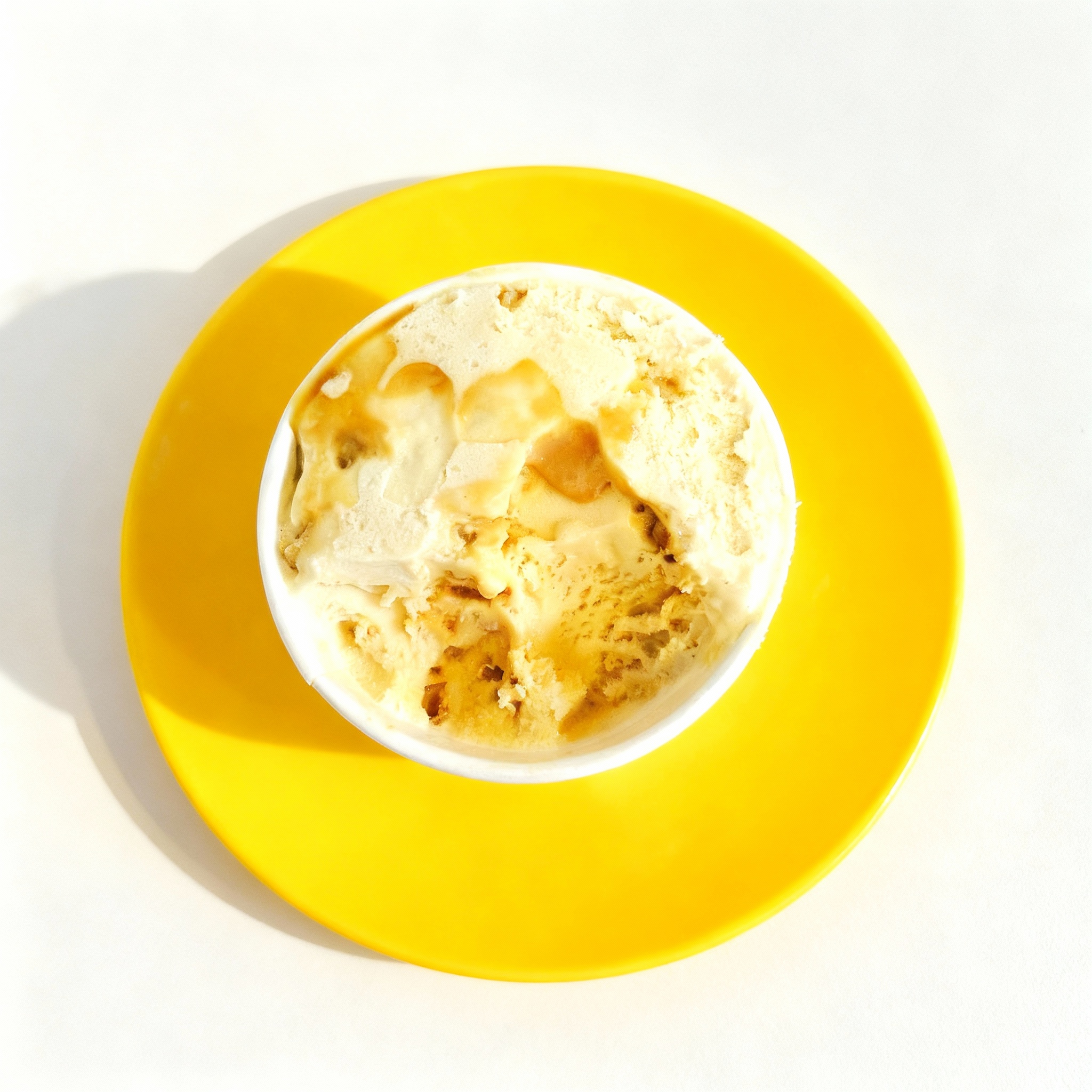
Salty Ice Cream Recipe – Sweet and Savory Frozen Dessert
Ingredients
Equipment
Method
- In a saucepan, combine the heavy cream, milk, and half of the sugar. Heat over medium until warm but not boiling.
- In a bowl, whisk the egg yolks with the remaining sugar until pale and creamy.
- Slowly pour a small amount of the heated milk mixture into the egg yolks to temper them, whisking constantly.
- Return the egg mixture to the saucepan and cook gently over low heat, stirring until it thickens slightly and coats the back of a spoon.
- Remove the custard from heat and stir in the vanilla extract and sea salt.
- Cool the mixture to room temperature, then chill in the refrigerator for at least 4 hours or overnight.
- Churn the mixture in an ice cream maker according to manufacturer’s instructions until thick and creamy.
- Transfer to a freezer-safe container, cover, and freeze for 3–4 hours to firm up.
- Scoop and serve with an optional sprinkle of flaky sea salt on top for extra flavor.
Notes